
When small businesses set out to cut their energy bills, most attention goes to the unit rate: p/kWh, the headline number on every quote. That matters, but it is only part of the picture. What often gets ignored is the meter configuration. This is the technical setup of the meter that determines how your consumption is measured, how you are billed, and which tariffs you have access to. Get it wrong and you can be paying more every single day regardless of how good your unit rate looks. Tariff Tribe will recommend how to optimise this configuration along with your tariff to unlock greater depth of savings for your business.
Here are the common ways in which it can be improved.
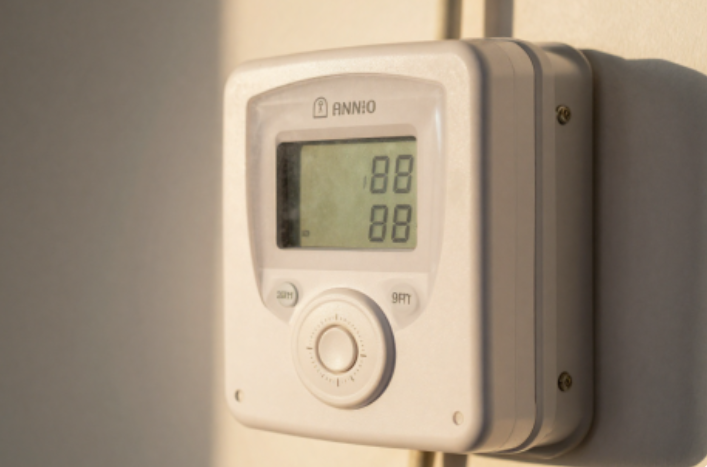
Every meter is set up with a particular configuration — often referred to by its Standard Settlement Configuration, or SSC — that determines how your usage is split and charged. A common example is Economy 7, which divides the day into cheaper night-time hours and more expensive daytime hours. That made sense for premises with electric storage heating or significant overnight demand, but most small businesses run during the day. If your meter is still configured for Economy 7 and you consume the bulk of your energy between nine and five, you are effectively paying a premium for your working hours in exchange for a discount you barely use.
The same logic applies in reverse. A business that runs equipment in the evenings or at weekends may be sitting on a single-rate meter when an evening-and-weekend configuration would shift a meaningful chunk of consumption onto a lower rate. The structure should follow the shape of your consumption — not the other way around.
For many businesses, the meter carries an agreed capacity, measured in Kilo-Volt-Amperes (kVA), which is the maximum demand your connection is set up to support. The catch is that you pay standing and availability charges based on that agreed figure, not on what you actually draw. If your capacity was set years ago, inherited from a previous occupier, or simply specified with a generous margin, you may be paying availability charges on headroom you never use.
This is one of the most overlooked sources of overcharging. Reducing an over-specified capacity to match genuine peak demand can lower your fixed charges without affecting your operations at all — the energy you use is unchanged, but the standing cost of being connected comes down.
Perhaps the most significant limitation of an older, standard meter is what it prevents. Without the ability to record consumption in detail across the day, you cannot access the more innovative tariffs now emerging in the market — time-of-use products, dynamic pricing, and other arrangements that reward businesses for when and how they consume. These tariffs are where the deepest savings increasingly sit, and they are only available to premises that can measure consumption with the granularity a smart meter provides. Stay on a standard meter and you are confined to the simplest, and rarely the cheapest, products on offer.
Understanding these issues is one thing; fixing them is another, and it usually means dealing with suppliers and network operators directly. That is the part we handle for you.
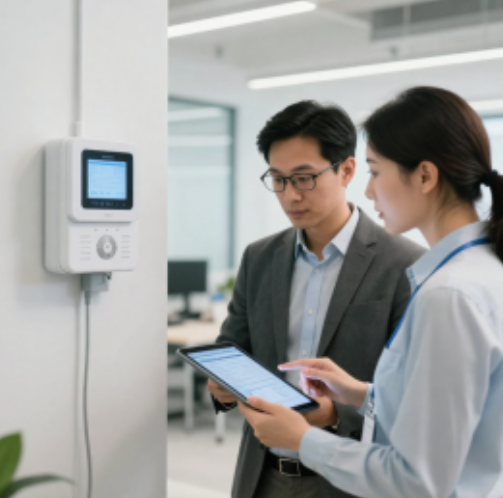
If our analysis shows you would be better served by a different configuration — moving from Economy 7 to single rate, for instance, or onto an evening-and-weekend arrangement — we coordinate the change with your new supplier as part of your switch. Rather than leaving you to navigate the technical request and follow-up yourself, we make the configuration change part of the process, so the tariff you move onto genuinely fits your business.
Where you have a smart meter, we analyse your consumption data to see whether your peak demand actually matches the capacity your meter is rated for. If your true peak sits comfortably below your agreed capacity, we work with your local network operator to bring the rating down to an appropriate level. The result is lower fixed charges, achieved without any change to how you run your business.
If you are still on a standard meter, the single most valuable step is often to upgrade. We work with your current supplier to arrange a smart meter installation, so that detailed consumption data starts flowing. That data is the key that unlocks the optimal tariffs for your business — both the products available today and the smarter, more rewarding tariffs arriving as the market evolves.
Your unit rate will always matter, but it is the meter behind it that determines what is possible. The right configuration, a capacity that matches your demand, and a meter capable of accessing modern tariffs together form the foundation for genuinely optimised energy costs. We make sure that foundation is in place — so the savings you see are real, and they last.


.svg)
